我們如何成為現在的樣子──東亞世界的歷史時刻
一、總說
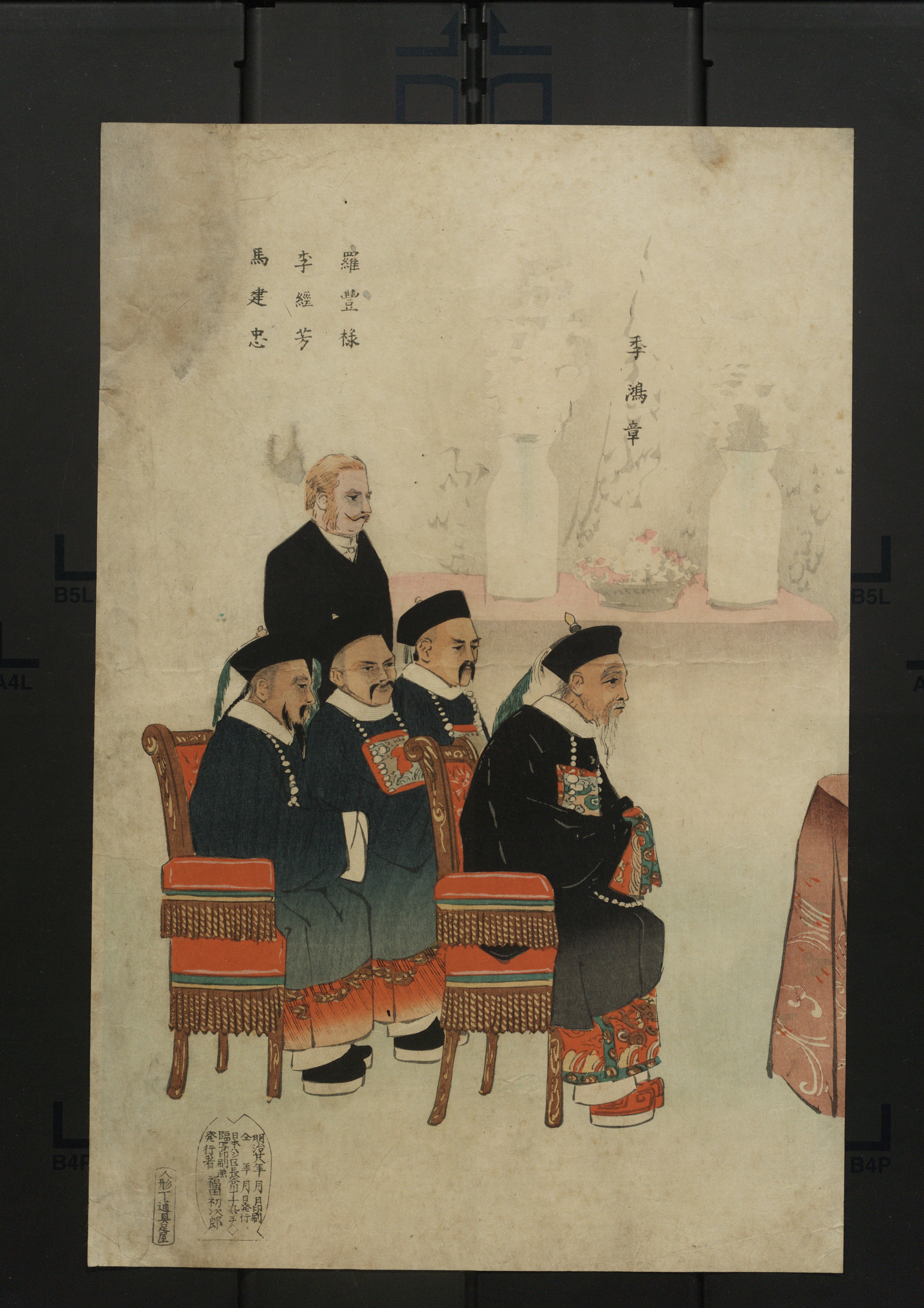
歷史的每個階段不是等值的,有的時段具有突破性的意義,影響既大且久,這種時刻可說是歷史時刻。1840年,鴉片戰爭爆發,中國必須正視來自海上的列強的力量,列強的武力背後是另一套的文明模式,其衝擊之大,乃李鴻章所說的「兩千年來未曾有之變局」。但從鴉片戰爭直至甲午戰爭的半世紀之間,滿清雖然一再喪權辱國,中國仍處在天朝的睡夢中。中國真正的覺醒要等甲午戰爭爆發,中日簽訂馬關條約,「中國需要徹底變法」的意識才全面性的展開,以後的歷史步伐也急遽地增速,梁啟超稱之為「新中國的起點」,同時也是「現代東亞」格局的形成期。新中國之「新」與現代東亞之「現代」,不只是時間的意義,它也意味著新的價值意識、新的秩序概念的出現。「新中國」、「現代東亞」和「新文化」、「現代化」的概念高度重疊,互相滲透,它出現的重要時間點有二:一是1894至1895的甲午戰爭與馬關條約,二是1911至1912的辛亥革命與中華民國成立。此後發生的五四運動、臺灣議會設置請願運動、臺灣文化協會成立以及中國共產黨的創建等,更帶來深遠的文化影響。
從1895年至二十世紀初期,可視為中國現代化的創立期;這個時期所提出的理念,如主權在民、三權分立、政權與治權之分、性別平等、自由平等,都有永恆的意義。爾後任何政權的施政措施對這些重要的理念,可以有詮釋上的調整,但其核心的內涵卻不容變更。「理」一旦和歷史之「勢」結合,即有「實現理念以轉化現實」的作用,理念便有規範的屬性。在這個關鍵的時代,宣揚並實踐這些新生概念與事物的人物,其地位遂非其他時期的人物可以比擬,因為他們所提供的理念、所建立的事業,具有奠基的意義,不容易被時間淘汰。「甲午戰爭與現代東亞秩序的建立」以及「中華民國的成立與帝制王朝的滅亡」都深刻影響兩岸的歷史發展,也影響日後的東亞局勢;新文化運動的議題也在東亞境內先後掀起相互影響,但線索更複雜,歷史仍在發展中。
本檔展覽是以兩岸為中心,以「甲午─乙未」及「辛亥」的政治變革為焦點,以東亞為範圍。三個展出單元的議題指向一個新的歷史階段的開始,其規模帶有規範後世的原型的意義。
Not every phase of history carries equal significance. Certain moments mark decisive transformations whose influence reshapes the course of later generations. The First Sino-Japanese War in 1894 and the Xinhai Revolution in 1911 mark two defining turning points in modern East Asia.
The defeat of the Qing dynasty in the First Sino-Japanese War and the signing of the Treaty of Shimonoseki shattered the long-held worldview of the Tian-Xia Empire and forced China to confront new political and cultural realities. Reformers such as Liang Qi-chao regarded this moment as the beginning of a “New China” and the emergence of modern East Asia. Ideas including constitutionalism, popular sovereignty, liberty, gender equality, and modernization gradually became central concerns across the region.
The Xinhai Revolution further accelerated these transformations. The founding of the Republic of China in 1912 not only ended imperial rule, but also opened new debates regarding citizenship, political participation, social reform, and cultural identity. Subsequent movements—including the 1919 May Fourth Movement, the Taiwanese Cultural Association, and the Petition Movement for the Establishment of a Taiwanese Parliament in the 1920s —continued to expand the political and cultural influence of these historical changes.
From the late 19th century to the early 20th century, East Asia entered a formative era of modernization shaped by cross-regional exchanges and political upheaval. The individuals who advocated and practiced new political and cultural ideals laid the foundations for later historical developments.
Through three sections, this exhibition explores the historical transformations and interconnected networks that emerged from the First Sino-Japanese War and the Xinhai Revolution, highlighting the pivotal moments that gave rise to new historical trajectories in modern East Asia.
二、分區說明